
Sliding Glass Door Roller & Track Replacement in Dallas, TX: The Complete Homeowner's Guide
If your sliding glass door has become a two-hand, shoulder-into-the-glass ordeal every time you want to step onto the patio, you are not imagining things, and you are far from alone in North Texas. Dallas homes take a unique beating on their sliding door hardware because of a combination of factors that most other regions simply do not deal with at this scale: expansive clay soil that swells and contracts with every wet-to-dry cycle, summer heat that regularly pushes past 100 degrees and warps aluminum and vinyl frames, and a near-constant supply of fine Texas dust and dirt that works its way into even sealed track channels. The good news is that a sticking, grinding, or off-track patio door almost never means you need a brand new door. In the vast majority of cases we see across Dallas, Plano, Frisco, Lakewood, the Park Cities, and Garland, the glass panel itself and the surrounding frame are perfectly sound. What has failed is the roller assembly, the track surface, or both. Understanding the difference between a simple hardware repair and a situation that genuinely calls for full replacement can save homeowners thousands of dollars, which is exactly what this guide is built to walk you through.
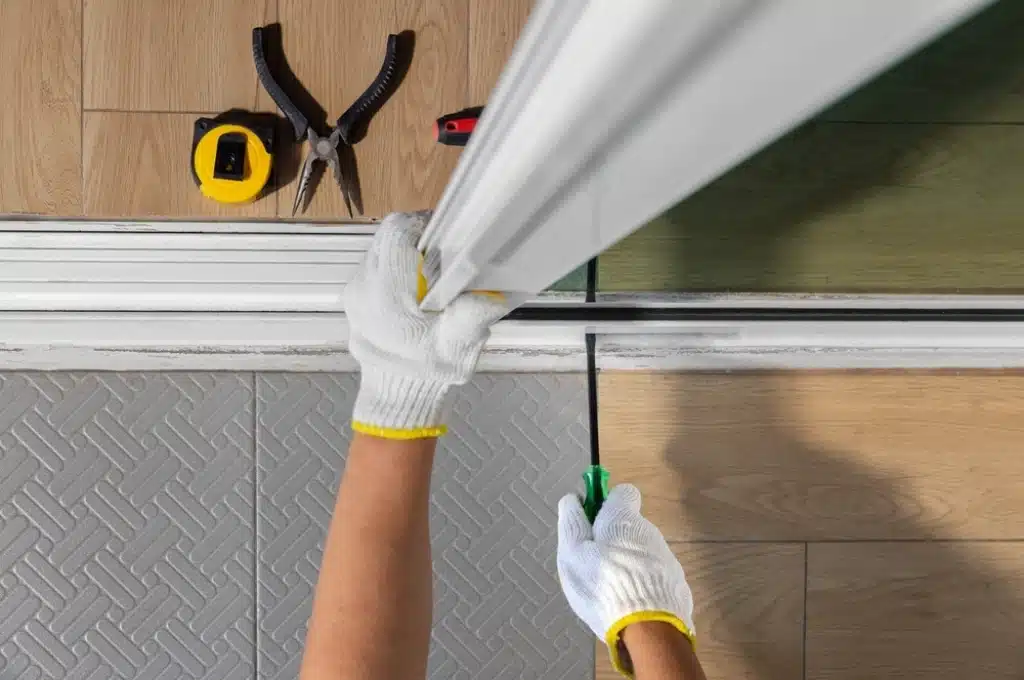
Signs You Need Roller or Track Replacement vs. Total Door Replacement
Most homeowners wait far too long to address a sliding door that has started dragging, and that delay is understandable since the early symptoms feel minor. A door that used to glide with one finger now needs a firm shove. A faint scraping sound turns into a grinding noise that you can hear from the next room. What actually happens underneath the panel is that the wheel bearings inside the roller assembly wear down or flatten on one side, so instead of rolling smoothly along the track, the roller starts dragging metal against metal. Left unaddressed, this friction does not stay contained to the hardware. The constant strain pulls at the panel's bottom rail, can crack or chip the corner welds on aluminum frames, and in wood-framed doors it accelerates warping around the lower track channel. That is the point where what began as a twenty-minute hardware swap turns into a structural repair.
There is a clear distinction between damage that calls for professional roller and track repair and damage severe enough to justify full door replacement. If the glass panel is intact, the frame is square, and the issue is isolated to dragging, sticking, or a door that has jumped its track, hardware replacement is almost always the correct and far more economical path. Full replacement becomes necessary only when the frame itself is bent beyond adjustment, the glass has failed (fogging between panes, cracking, or seal failure), or the track channel has corroded through in a way that no overlay or resurfacing can fix. A qualified technician should always inspect the door in person before recommending either path, since guessing based on symptoms alone can lead homeowners toward unnecessary expense.
The Impact of Dallas Foundation Shifting on Sliding Doors
North Texas sits on some of the most reactive clay soil in the country, and that soil does not stay still. During the wet months it absorbs moisture and expands, then during our long, dry Dallas summers it contracts and pulls away from foundation footings. This continual swelling and shrinking cycle transmits directly into the structure of the home, and sliding door frames, being wide, rigid rectangles set into the foundation slab, are particularly sensitive to even small amounts of movement. A shift of a fraction of an inch at one corner of the frame is enough to throw the entire track out of level, which forces the rollers to ride unevenly and wear out far faster than they should. This is a large part of why sliding glass door repair in Dallas is such a routinely needed service compared to markets built on more stable ground. Homeowners in neighborhoods with older slab foundations, including many parts of Lakewood and the Park Cities, tend to see this pattern especially clearly, since decades of soil movement have had more time to compound. When our technicians diagnose a door, we do not just look at the roller, we check the level of the entire frame and the condition of the surrounding door weatherstripping to confirm whether foundation movement, seal failure, or simple wear is the root cause.
Comparing Hardware Materials for Heavy Patio Doors
| Hardware Upgrade Type | Durability Factor | Primary Performance Advantage |
|---|---|---|
| Premium Stainless Steel Tandem Rollers | High | Stainless steel resists the corrosion caused by North Texas humidity swings and does not pit or seize when fine Dallas dust works its way into the bearing housing. Tandem wheel configurations distribute weight across two contact points instead of one, which is essential for heavy dual-pane or triple-pane patio doors that are increasingly common in newer DFW builds. |
| Heavy-Duty Nylon Precision Wheels | Moderate to High | Nylon wheels run noticeably quieter than steel on steel and, because the wheel material is softer than the aluminum track itself, they cause far less wear to the track channel over time. This is the preferred option for households that want a smooth, near-silent glide and want to protect an existing track from further gouging. |
| Stainless Steel Track Overlay Caps | High | Rather than removing and replacing the entire aluminum track, an overlay cap resurfaces a split, gouged, or corroded rail with a new stainless steel wear surface installed directly on top. This restores a smooth rolling path instantly and avoids the labor and cost of a full track excavation, particularly valuable when the surrounding frame and stucco are not something you want disturbed. |
The right hardware choice depends heavily on the weight of your specific door and how often it gets used. A rarely used side patio door on a lighter aluminum frame can often be well served by nylon wheels, since the reduced track wear and quiet operation outweigh the marginal durability difference. A primary family entry door leading to a pool or main backyard, especially one carrying heavier double-pane insulated glass, benefits far more from stainless steel tandem rollers, which are built to handle daily high-frequency use without premature bearing failure. Track overlay caps are less about the rollers themselves and more about the surface those rollers travel across; if your existing track has visible gouges, rust spots, or a split seam from years of Texas dust grinding against it, no roller upgrade will perform well until that track surface itself is addressed. In many of the jobs we complete across Dallas, the correct solution is a combination approach: new stainless tandem rollers paired with a fresh track overlay, since replacing one without the other simply transfers the wear problem rather than solving it.
Our Precision Core Repair Workflow
Every roller and track job we perform follows the same disciplined sequence, regardless of the door's size or brand, because skipping steps is exactly how homeowners end up calling a second technician six months later for the same complaint.
- Initial safety and structural check: Before any hardware is touched, we confirm the panel lifts and lowers safely, check the frame for square using a level across the header and sill, and inspect the glass seals for early fog or moisture, since these findings change the entire scope of the job.
- Panel removal: The sliding panel is carefully lifted out of the track using proper leverage technique to avoid stressing the frame corners or cracking the glass, which is a common mistake with DIY attempts.
- Track cleaning and inspection: The full length of the track channel is cleared of compacted dust, dead insects, and old lubricant residue, all of which accumulate steadily in the Dallas climate and are frequently the true source of a "heavy" door long before the rollers themselves fail.
- Rolling-gear calibration: New rollers are installed and precisely calibrated using the adjustment screws at the base of the panel, fine-tuning the height on both sides so the door hangs level and does not drag on one edge, a step that is often rushed or skipped entirely in lower-quality repairs.
- Lock and strike alignment: The lock mechanism and strike plate are tested and adjusted so the door latches fully and securely, since a freshly re-rolled door that still will not lock properly has not actually been fixed.
This entire process is part of our broader door repair services across the Dallas-Fort Worth area, and every step is documented with the homeowner so there is a clear understanding of what failed, why it failed, and what was done to correct it.
Service Coverage Map for the Dallas Metroplex
We provide on-site sliding door roller and track service throughout Dallas proper as well as the surrounding suburbs that make up the greater Metroplex, including Plano, Frisco, Garland, Lakewood, the Park Cities (Highland Park and University Park), Richardson, Irving, and Mesquite. Custom on-site adjustment matters more than many homeowners realize, because no two frames in this region settle the same way. A door in a newer Frisco build on a post-tension slab behaves very differently under thermal and soil stress than a decades-old frame in Lakewood on a traditional pier and beam foundation. Getting the roller height, track alignment, and weatherstripping compression precisely right on site, rather than relying on generic factory settings, is what protects both the smooth operation of the door and the home's energy efficiency, since a poorly sealed track allows conditioned air to leak out and Texas summer heat to leak straight in.
Frequently Asked Questions About Sliding Door Repairs
Why is my sliding glass door suddenly so heavy and hard to push?
In almost every case, the added weight you are feeling has nothing to do with the glass itself and everything to do with worn or seized rollers combined with dirt buildup in the track. The wheel bearings inside a roller assembly flatten out or corrode over years of use, and once that happens the roller stops actually rolling and starts dragging metal against the track surface instead. Add in the fine dust and grit that is constantly present in North Texas air, which packs into the track channel and acts almost like sandpaper against the wheels, and you get a door that feels dramatically heavier than the glass weight alone would ever explain. Replacing the rollers and clearing the track typically restores the original smooth, light-touch glide.
Can a shifting foundation affect how my patio door slides and locks?
Yes, and this is one of the most common underlying causes we diagnose in Dallas homes specifically. The expansive clay soil throughout North Texas swells during wet periods and shrinks during our dry summer months, and that repeated movement transmits into the home's foundation and, from there, directly into rigid door frames. Even a small amount of frame shift is enough to throw the track out of level, which causes the door to bind or drag on one side. That same shift often misaligns the lock strike plate relative to the latch, which is why homeowners frequently notice sticking and lock trouble appearing around the same time, even though they may not initially connect the two symptoms to a shared cause.
Is it possible to repair just the track, or do I need to buy a whole new door frame?
In most cases, a full frame replacement is not necessary at all. Stainless steel track overlay caps are specifically designed to resurface a damaged aluminum track, whether it has been gouged by years of roller friction, corroded from moisture exposure, or split along a seam, without requiring the surrounding frame to be removed. The overlay installs directly over the existing track and creates a smooth, fresh rolling surface for new rollers to travel on. This approach saves homeowners the significant labor and cost of a full structural frame replacement while still fully resolving the underlying track damage.
How long do replacement stainless steel rollers typically last in the Dallas climate?
Well-installed stainless steel tandem rollers on a properly cleaned and aligned track generally last eight to twelve years under normal daily household use, though actual lifespan depends heavily on maintenance and exposure. Homes near active construction, unpaved areas, or heavy landscaping tend to see more dust infiltration into the track and may need periodic cleaning to hit the upper end of that range. Routine maintenance, specifically clearing the track of debris every few months and avoiding harsh degreasers that strip factory lubrication, is the single biggest factor in whether a roller replacement lasts closer to eight years or closer to twelve in our North Texas climate.

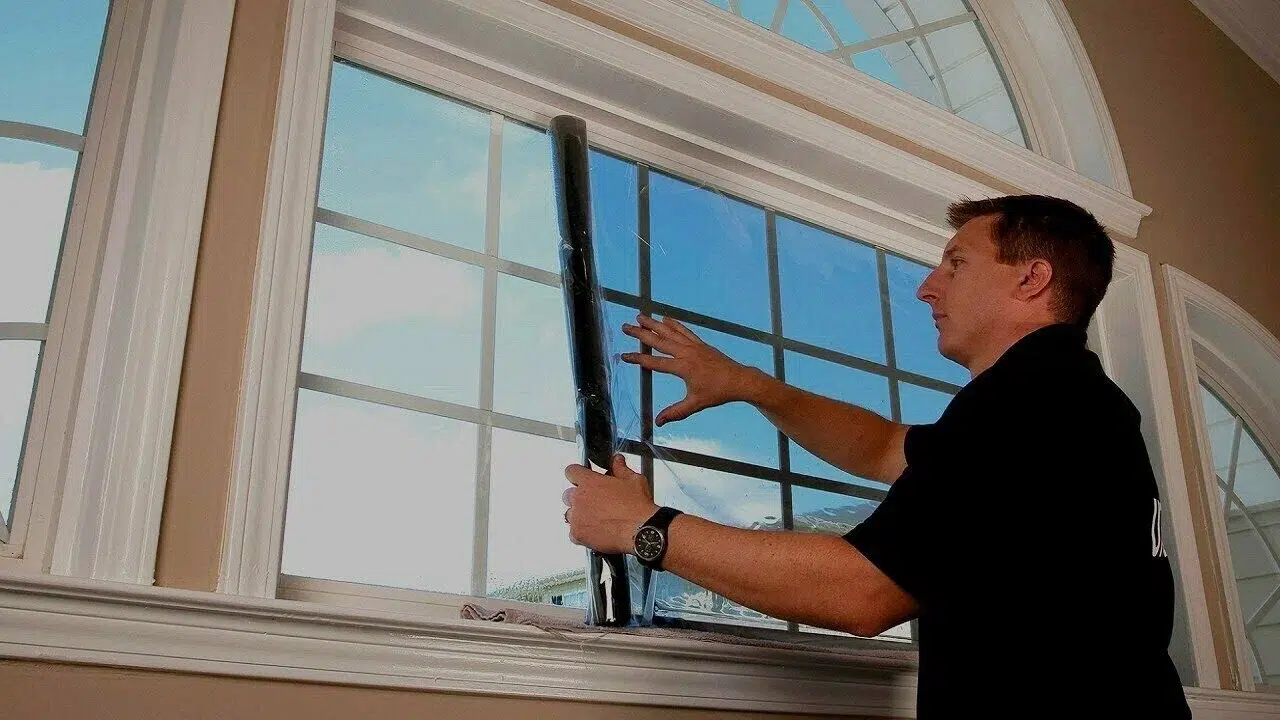
Why Your Window Screens Keep Bowing, Tearing, and Popping Loose in Dallas Heat
Why Your Window Screens Keep Bowing, Tearing, and Popping Loose...

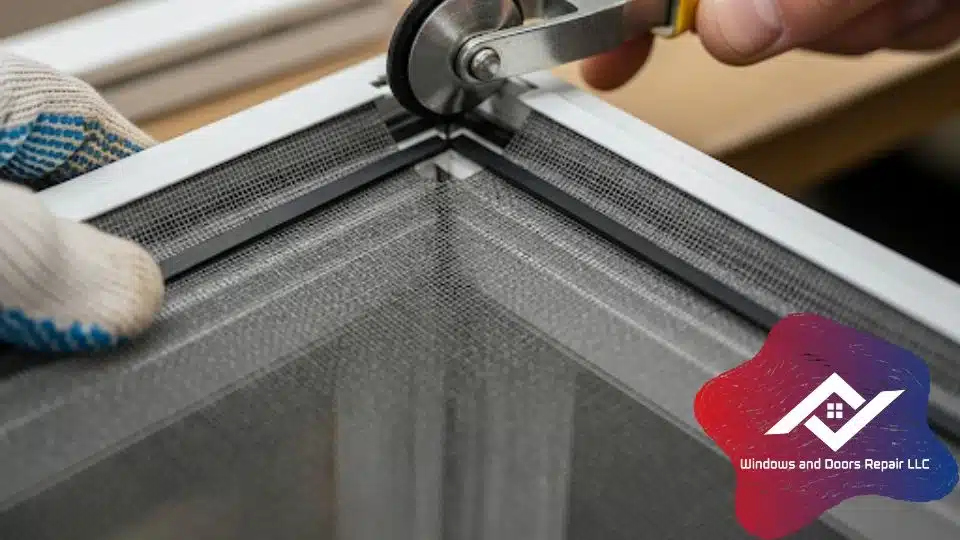
Window Screen Repair Dallas: Keeping Mosquitoes Out and Pets Safely In
Window Screen Repair Dallas: Keeping Mosquitoes Out and Pets Safely...
Sliding Glass Door Roller & Track Replacement in Dallas, TX: The Complete Homeowner’s Guide
Sliding Glass Door Roller & Track Replacement in Dallas, TX:...
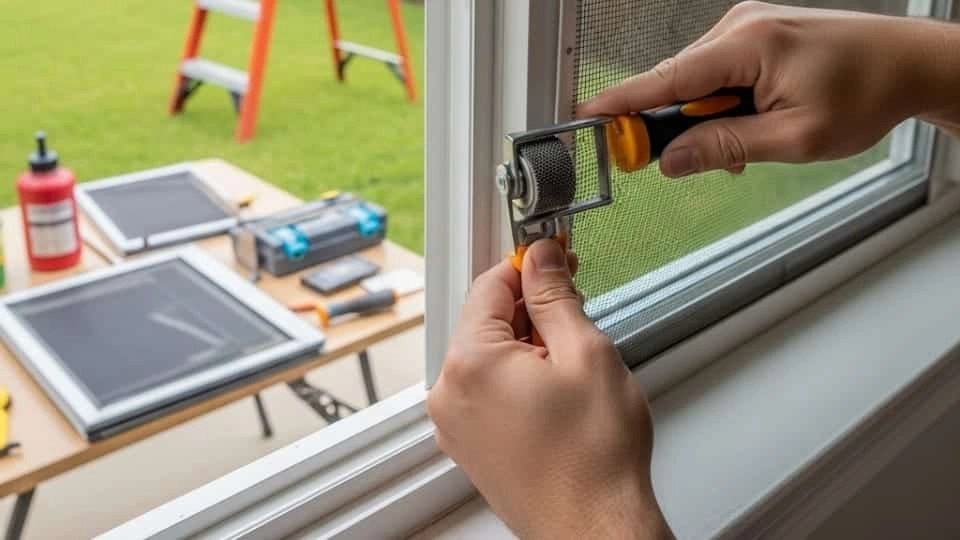
Window Screen Repair Dallas: Durable Mesh Solutions
Window Screen Repair Dallas: Durable Mesh Solutions By...
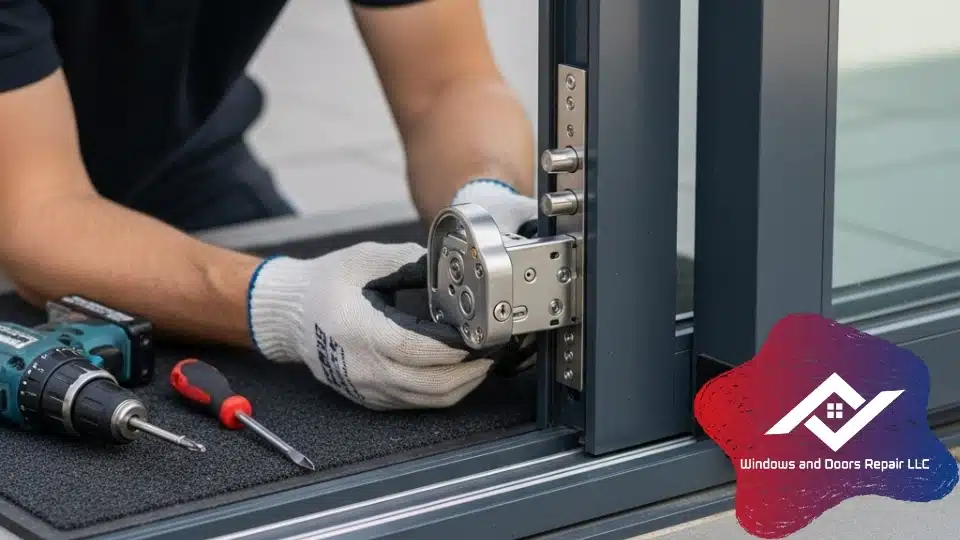
Patio Door Latch & Lock Security Upgrades for Dallas Homeowners
Patio Door Lock Repair Dallas: Latch & Security Fixes Patio...
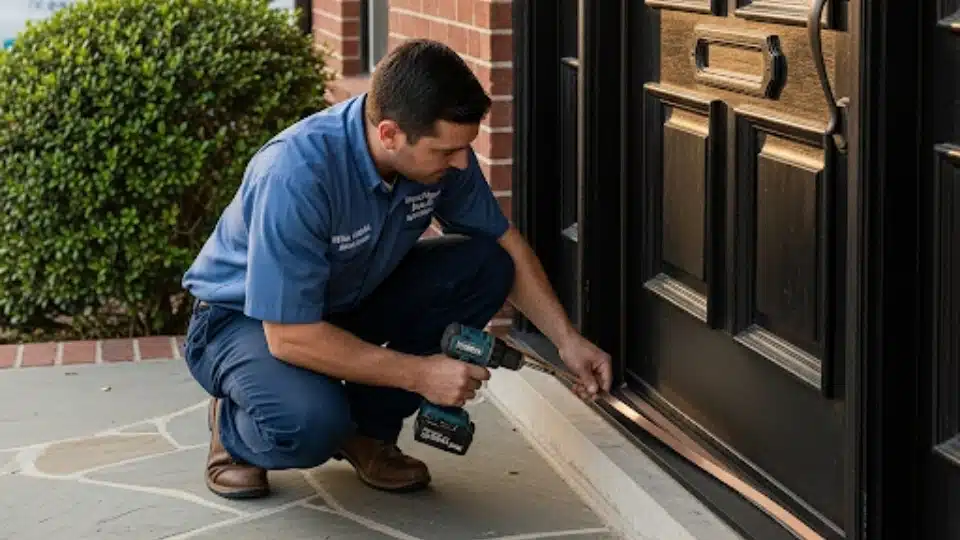
Beat the North Texas Heat: Commercial-Grade Door Weatherstripping Repair in Dallas
How Dallas Foundation Shifts Impact Your Windows & Need Repair...
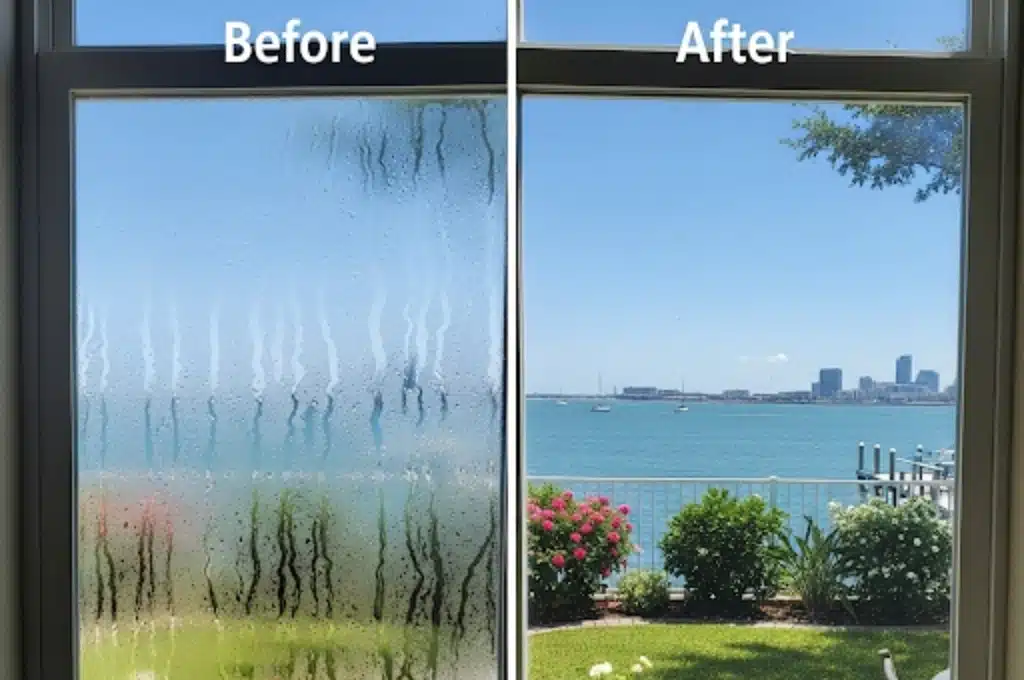
Foggy Window Repair in Dallas: When to Replace the Glass vs. the Whole Unit
How Dallas Foundation Shifts Impact Your Windows & Need Repair...
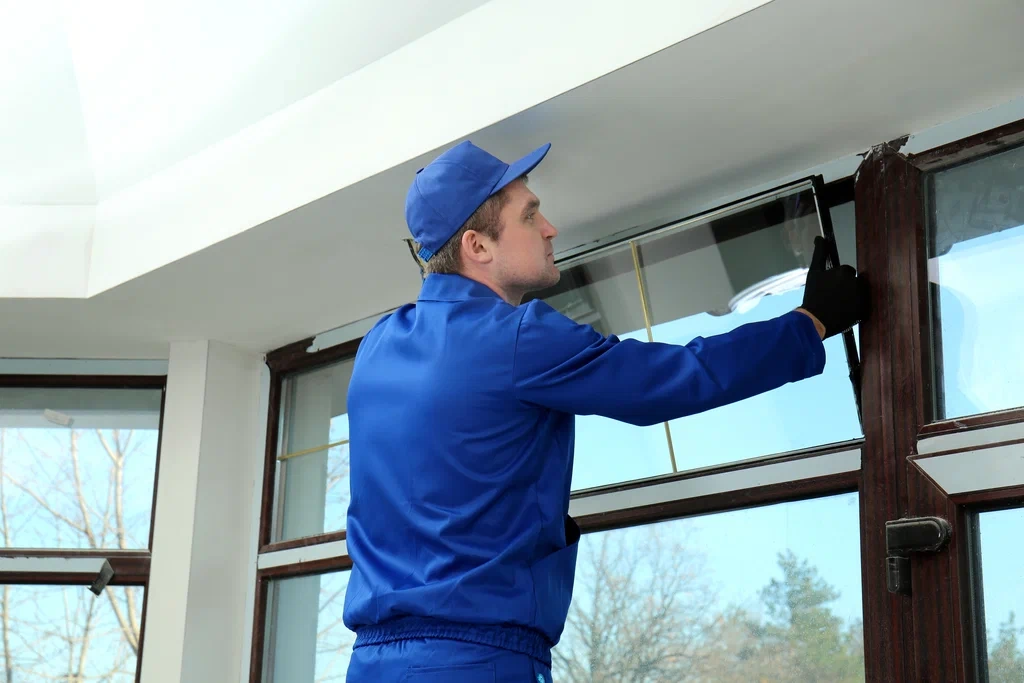
How Dallas Foundation Shifts Impact Your Windows (And How to Fix Them)
How Dallas Foundation Shifts Impact Your Windows & Need Repair...
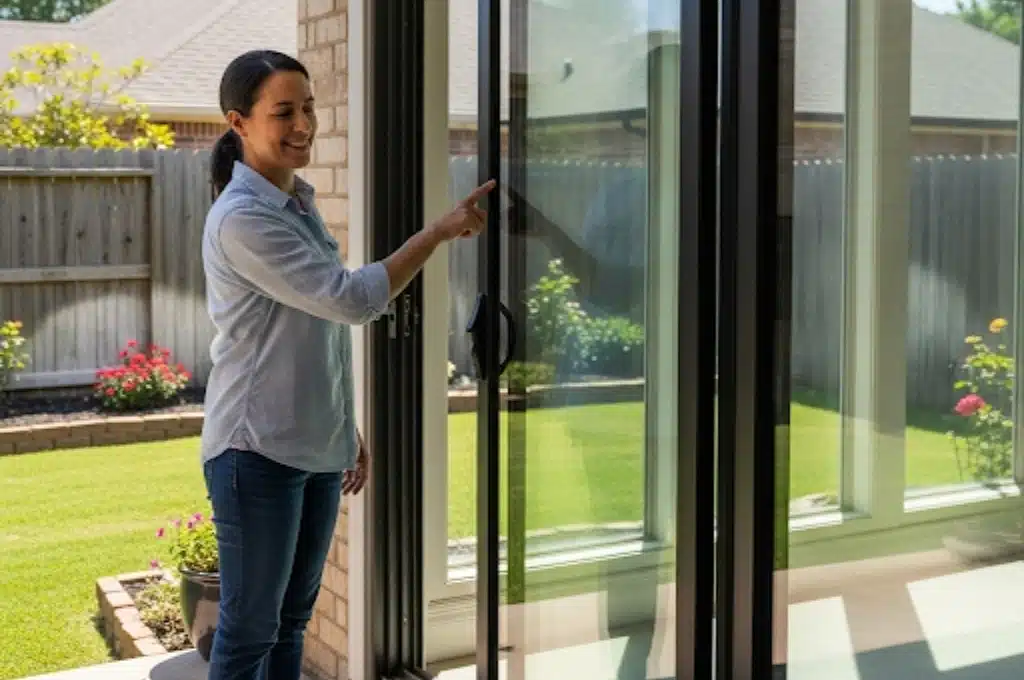
Sliding Glass Door Roller Replacement Dallas
The Complete Guide to Sliding Glass Door Roller Replacement in...